Blog

Why Are Rats Avoiding the Traps

Rats can be a terrible nuisance in your home as they often cause damage to rat trapyour home when nesting.  A common way homeowners seek to get rid of their rat problem is through rat traps, but they are often misused. Here are a few items to consider if your rat traps are not working:

  • Wrong-Sized Trap – People often make the mistake of confusing mouse traps for rat traps due to their similar design. Rat traps, however, are significantly larger and more powerful to compensate for the size difference between rats and mice. If a mousetrap is used on a rat, you run the risk of it escaping or being pinned down but still living and potentially hostile when you go to release it.
  • Ineffective Placement – An important consideration about rats is that they will typically stick to scurrying along the edges of rooms near walls where they feel safe. Placing a trap in the middle of the room will most likely not catch much. If you put the trap along the edge of the room and place the end with the trigger plate facing the wall, you will have a better chance at coaxing rats into the trap.
  • Traps Set Too Early – Rats are very aware of their surroundings, and the moment a new element is introduced, they can become weary of it. Place the traps in the room, but do not set them. This way, the rats will not perceive them as a threat yet and will be more inclined to approach your traps a few nights later.
  • Not Enough Traps – In addition to acclimating the rats to the traps early, you need to keep in mind that once the traps are shown to be deadly, the rats will stay away. That is why you should always set multiple traps. Statistically, you always trap the most rats on the first night, so by setting many overnight you increase your odds substantially.

Improper baiting techniques can lead to further problems. These agile and intelligent rodents spend a lot of time exploring and memorizing the layout of their surroundings and are very hesitant to approach unfamiliar objects. They nibble cautiously at new foods to taste them and can be rather particular about what they eat when given a variety of options.

Professional Rat Removal

Rats in your home are no laughing matter as they can be dangerous and destructive. While over-the-counter do-it-yourself options such as traps can be helpful, they are no substitute for professional assistance. At Critter Control® serving Ft. Lauderdale, we have the tools and experience to provide you with expert rat removal through safe and efficient means. Contact us today for your free consultation at 954-467-6067.

What to Do if You’ve Been Bitten by a Potentially Rabid Wild Animal

Recent cases of rabies in South Florida are bringing to light there severityrabies shot of the disease that can, unfortunately, be passed on to humans. The threat of rabies is one of the main reasons why wild animals should never be approached. While the disease isn’t common, you should still take precautionary measures to avoid infection if you are bitten by a wild animal.
People often envision a feral animal like a raccoon when it comes to rabies transmission, but in actuality, it can be just as easily spread by feeding stray cats and other unassuming animals, which is why we cannot urge you enough to avoid contact with wild animals.

After the Bite

In the unfortunate circumstance that an animal bites you, there are some important steps to take to stay safe:

  • Wash the bitten area for 5 to 10 minutes using soap and water
  • Use a clean bandage to cover the bite area
  • Go to the nearest emergency room
  • Have your local animal control authorities track down the wild animal so it can be confined and prevent further spread

Symptoms

When left untreated, rabies is almost always fatal which is why you should be aware of the symptoms so you can seek professional medical assistance before the infection becomes too severe. Many of the symptoms are like that of the flu such as pain, headaches, fatigue, fever, and weakness. There are also others which become much more extreme:

  • Confusion
  • Irritability
  • Seizures
  • Difficulty with speech
  • Bizarre thoughts
  • Hallucinations

When left unchecked, the infection spreads further throughout the body to impact other parts of the nervous system. This can result in the infected party experiencing double vision, difficulty in moving facial muscles, trouble controlling the diaphragm affecting breathing, and increased saliva production which is the cause of the famous ‘foaming at the mouth.’

Staying Safe

If you are bitten and diagnosed with rabies, you will need to be treated with a series of shots called the rabies post-exposure prophylaxis (PEP). You should always express caution when exploring the outdoors and take precaution to keep yourself, as well as your family members and pets safe from rabid animals.

If an animal were to find their way into your home, Critter Control® serving Ft. Lauderdale can assist you with our safe and effective removal methods. We also offer guaranteed exclusion techniques to prevent additional infestations from occurring. Call us today at 954-467-6067 to schedule your free inspection today.

The Dangers of Fleas and Other Pests

Pests Are a Serious Threat

Pests can pose a serious threat to human well being in numerous ways. For example, some pests such as snakes and bees have venom they deliver through a bite or sting. While other pests such as opossums or raccoons can inflict serious injuries on people, who choose to corner them instead of calling professional wildlife control. However, one of the most underestimated risk factors of pests is their potential to spread a wide range of infectious diseases.

What Are Some of the Diseases That Pests Can Bring Into Your Home?

Rats are infamous for being carriers of infectious diseases. When someone is either bitten or scratched by a rat, there is a chance of them contracting rat bite fever. This can cause chills, fatigue, fever, inflammation of the skin, inflammation of the lymph nodes, and other unpleasant symptoms that can last for months. Even worse, both the urine and the feces of rats can spread infectious diseases such as lymphocytic choriomeningitis (LCMV), which in some cases has been known to cause paralysis.

However, it should be remembered that some pests are much less noticeable but still pose extreme health risks. Fleas are the pests that brought the bubonic plague, which killed a third of the population of Europe in the 1300s. Furthermore, it should be noted that the bubonic plague can still be found in some rodent species that serve as reservoirs, which is why occasional outbreaks still happen such the cases reported in Arizona this year according to Fortune.

Contact Us

Call Critter Control serving Ft. Lauderdale at 954-467-6067 to have a free home inspection done to make sure your home does not pose any potential risks for these pests to enter. We will send an eco-wise specialist to assess any problems you may be having and then advise you on the treatment necessary as well as how to prevent future pests infestations. We place a huge emphasis on pest prevention. Contact us today!

Rat Proofing Your Home

rat

Rat-proofing your home in Ft. Lauderdale can be a time-intensive undertaking, but it’s necessary to ensure your health and safety. Rat-proofing your home protects your property from damage and protects you, your family members, and pets from the diseases rats often carry. At Critter Control of Ft. Lauderdale, we are dedicated to helping each of our customers with this task using individualized plans.

How to Rat-Proof Your Home

If you live in an area where rat infestations are common, you have probably already picked up a few rat-proofing tips. Whether our tips are new or review for you, let us share a few of the things that have worked best for us over the years.

Quick Guide to Rat-Proofing Your Home:

  • Seal all entry points, particularly foundational cracks and floorboard holes. Rats will use these as initial entry points, and will also come back to them with a larger colony. Furthermore, rats create many entry points by gnawing on your floor, insulation, or fixtures. Mesh wire, wooden boards, and other sealants are common.
  • Never leave food in the open, or in unsecured containers. Rats feed on both human and pet food, and can chew through most standard food bags quickly. They also use human garbage as a food source. Because they spend so much time in filthy areas like dumpsters, their natural diseases such as rat bite and Q fevers are exaggerated.
  • Do not use poison or other rat-exterminating sprays. They will kill one or two rats, but eventually others will learn not to go into the area where the poisons are sprayed. Additionally, killing the rats you see will not guarantee others will not invade your home. Ask Critter Control about our exclusion methods, instead.
  • Do not attempt to trap or remove a rat on your own; they will bite if cornered or provoked. Additionally, do not let your cat or rat-catching dog deal with an infestation alone. Your pet could easily become contaminated.

To learn more about rat-proofing your home, contact Critter Control serving Ft. Lauderdale or call 954-467-6067 today.

How to Rodent-Proof Your Attic

One of the most popular places in your home for rodents to live is in your attic. It can be hard to detect a rodent infestation in your attic if you don’t frequent there often. And since rodents can be quite small, the noises they make will be minimal and hard to detect. One of the best ways to keep rodents from invading your attic is to be proactive in keeping them out.

DIY Rodent Control

Most of our customers have tried some sort of DIY solution before they commit to professional rodent control. Rodent repellents like over-the-counter poison, sonic emitters, mint oil, radios, lights, wolf pee, and ammonia-soaked rags are not effective.

The best way rodent control homeowners can do is prevention. Rats and mice are looking for food, water, and shelter. Removing these resources helps immeasurably.

Eliminate Rodent Shelter

  • Keep grass trimmed
  • Trim bushes and trees
  • Remove clutter or rubbish outside your house
  • Move bushes, shrubs, and mulch from the foundation of the house

Remove Food Sources and Water

  • Secure garbage cans
  • Repair leaks from pipes
  • Empty standing water
  • If you feed pets outside, bring pet food indoors
  • Clean up spilled birdseed from the birdfeeder

Keep them outside

Rats and mice can fit through tiny holes and chew through most home construction materials.

An established rodent population cannot be controlled with repellents or deterrents. If possible, seal any potential gaps. This is difficult. Rats and mice can fit through tiny holes and chew through most home construction materials. The key is to check every square inch. Rodents usually have more than one entry point. Once they find a suitable location to nest, they probe weak spots to create new entry holes.

Once access is established, rats leave scent/pheromone trails that are easy for other transient rats to pick up and follow. For this reason, structural rat problems are never-ending until you effectively pest-proof the access points, thereby cutting off the ‘flow’ and isolating your populations.

Rodent Proofing Your Attic

There are a few ways to rodent-proof your attic, and most of them start before the rodents reach the attic. First, you should check your roof and soffits for any small holes. Rodents like rats and mice can fit through holes a lot smaller than their bodies, and any rodent can take a pre-existing hole and gnaw it to make it bigger. Sealing up any kind of hole will cut the chances of a rodent invasion down.

Another way rodents can get into your home is through your vents. There are a few ways you can keep rodents out of your vents:

  1. Place traps near the entrances of vents. This can work well if rodents have already gained access to your vents.
  2. Protect your vent with stainless steel mesh. This will prevent the rodents from getting into your vents. Cloth works well with bugs, but rodents can chew through it.
  3. Install a vent guard on your roof. Caging the area around the vents on your roof will keep any curious critters away from your outside vents.

Get Help from the Experts

Sometimes, rodents can be particularly persistent. Even if you take precautionary measures like the ones above, rodents can still find a way into your home. When you have come to your last straw and no longer know how else to deal with them, that’s when the experts at Critter Control® can step in. With our state-of-the-art tools and techniques, we can remove rodents from your house in no time, and keep them out for good. Don’t let the stress of dealing with rodents in your home weigh down on you any longer. Call us today at 954-467-6067 for your free consultation.

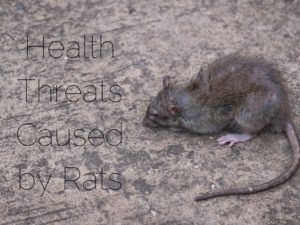
Health Threats Caused by Rats

Rats are seen as unsanitary, but mostly harmless since they often like to take refuge in sewers, dumpsters, and junk yards. However, if they make their way into your home, there is cause for alarm. Apart from damaging the interior of your home with their sharp front teeth, rats can spread some nasty, and potentially fatal, diseases.

Recently 3 cases of leptospirosis have been reported in the Bronx, one of which became fatal. This rare disease is transmitted through rat urine and can cause acute kidney and liver failure. Health officials recommend that if you are in an area where rats may be present, that you thoroughly wash your hands and always wear shoes. You can read more about it in this New York Times article.

In Your Home

If rats have infiltrated your home, the situation requires immediate attention. Rats wandering around your home could leave urine virtually anywhere, tracking it all around your home with their little paws. To prevent the spread of diseases, it is important that you call a professional trained in handling and removing rodents from populated areas. When you allow rats or other rodents to stay in your home for extended periods of time, you are exposing you, your family, and your pets to other diseases like:

  • Rat-bite fever
  • Salmonellosis
  • Hantavirus
  • Plague
  • Colorado Tick Fever
  • Cutaneous Leishmaniasis

What to Do

As soon as you see signs of rats in your home like scurrying sounds in the walls or ceiling, oily marks on your baseboard, droppings or urine, or chewed wires or wood, call the professionals at Critter Control® serving Fort Lauderdale immediately. Our professionals are trained in swiftly and effectively removing all rodents from your home, and keeping them out by sealing all of their entry points. Don’t put you and your family at risk, call us today at 954-467-6067 for your free consultation.

What Animal is Making Noises in My Wall?

Do you hear strange noises in your walls? Do you wonder what kind of critter you might be providing a home for? Check out these sounds, and see which ones you recognize to determine what kind of animal has become your new roommate.
Mice and Rats

If you hear scurrying sounds inside your walls or ceilings, especially at night, you’re probably harboring either mice or rats. The only way to get rid of them is to trap them and seal off all entry points.

Squirrels and Raccoons

Do you hear ripping or thumping noises? Squirrels like to sneak into your attic to use your insulation to make a warm nest for their babies. Louder sounds could be from raccoons trying to get out of the cold in the middle of the night. It’s easy for these critters to get caught between the roof and ceiling of your home.

Birds and Bats

If you hear chirping inside your walls, you don’t need us to tell you a bird has gotten inside, probably trying to build a nest. It may even wake you up early in the morning. Scratching sounds accompanied by squeaking may belong to a winged creature, but in this case, it might be a bat, especially if the sounds only show up at night. Bats can cause a lot of damage if they set up a colony in your attic.

How We Can Help

Are any of these sounds too familiar? Critter Control® serving Ft. Lauderdale can get rid of the pests that are infiltrating your home, sealing off their entry points so they can’t get back in. Remember that attempting to trap these animals on your own can be very dangerous and result in transmitting diseases to you and your family. Keep everyone in your home safe by calling on us to help remove these critters from your home. For a free consultation, contact us at 954-467-6067.

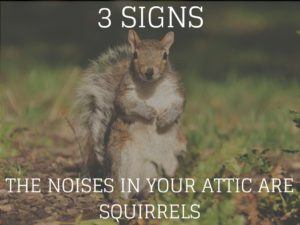
3 Signs the Noises in Your Attic Are Squirrels

3 Signs the Noises in Your Attic Are Squirrels

Squirrels are so abundant in North America that we take them for granted. But that doesn’t mean you want one in your home. Especially when the weather gets colder, or when squirrels are looking to nest and reproduce, your attic offers an attractive shelter. Squirrels find their way in through small openings in your home’s envelope – gaps around pipes, loose shingles, even through cracks in the foundation or chimney.

Here are some common signs that you may have a squirrel problem in your attic:

You can hear them overhead

Squirrels will make thumps or scurrying sounds that you’ll hear overhead, in the walls, or down the chimney or vents. Some species (the flying squirrel, for example) make noises during nighttime hours, which can be especially disturbing.

You can smell them

Especially if they have built a nest and are rearing young, squirrels give off a musty odor that will eventually waft through the rest of your house. If a squirrel gets trapped somewhere, or if young are abandoned, you may also smell decomposition from a dead squirrel.

There is visible evidence

Bits of chewed up insulation material or shingles, droppings, even tracks in the snow around your walls or deck – all may be indicators of a squirrel problem within your home.

What to Do

They may look cute, but squirrels can do a lot of damage. And bear in mind that their urine and feces can be hazardous, creating a risk to humans of Salmonella and respiratory diseases. If you think there are squirrels in your attic, call a professional like the ones at Critter Control® serving Ft. Lauderdale. We can humanely remove these furry pests, repair the damage, and ensure they won’t be back by sealing any entry or exit points they made. Call today for a free consultation at 954-467-6067.

How to Keep Critters From Invading During Winter

As temperatures drop and inclement weather arrives, whether its cold nights or storms, many animals start looking for shelter. They want a place that is warm and cozy and depending on the type of animal perhaps to breed in. It should come as little surprise then that they would choose your home, which offers a roof over their head, food at their disposal, and plenty of warmth.


It is best to be proactive and keep animals from coming into your home rather than waiting to have them removed once they invade. Here are a few great ways you can secure your home before animals start wondering in:

  • Scan your home for small entry holes. An open chimney, deteriorated fascia boards, or holes in the attic vents are enough to let critters in. Use common tasks such as gutter cleaning, weatherizing, and more as occasions to scan your home for any small cracks. If you find a hole, monitor it for a few days to make sure that wildlife is not already inside before sealing it.
  • Ensure all your food goods are sealed in containers. Making sure food isn’t easily accessible or left out will keep those critters from invading your pantry and damaging your food supply.
  • Remove debris near your home. Mounds of trash and debris collected near your home are the perfect cover for critters seeking refuge. If they first find shelter in debris, they may feel more emboldened to search your home for entry points.

Call the Experts for Help

If you already believe you have an animal (or two) in your home, it is vital to hire animal control and removal experts. Critter Control® of Ft. Lauderdale has been in business for more than 30 years, and offers experienced professionals to not only remove the critter, but clean droppings, repair damage, and patch entry points to exclude animals from reentering your home.

Animals carry disease and are known to react dangerously when cornered, so it’s a necessity to hire a professional for handling the critter removal to ensure your entire family remains safe. Call us today at 954-467-6067 to schedule your free inspection.

10 Things You Didn’t Know about Rats

There is one thing we can all agree on about rats and that’s the fact that Ft. Lauderdale Ratnobody wants them around. Rats are often associated with filth and disease and for this reason many homeowners go above and beyond to ensure they don’t infest their homes. Though loathed, there is so much unknown about these “cute,” long-tailed critters. Here are some interesting facts about rats that may give you a different perspective:

  1. The term rat generally refers to the two main species of house rats, the Norway rat and the Roof rat. Both species originated in Asia, but have spread throughout the world by human travel.
  2. Male rats are called bucks; Female rats are called does; and baby rats are called pups or kittens.
  3. A single litter of rats can contain as much as 20 babies
  4. Rats can live for up to 18 months, but most die before they are one year old. Pet rats, however can live as long as three years.
  5. Rats have excellent memories. Once they learn a route, they never forget it.
  6. Rats have sharp incisor teeth that are constantly growing. They chew on almost anything they can find to keep these teeth at a manageable length.
  7. Rats are skilled climbers. Their long tail allows them to have a very acute sense of balance.
  8. Rats are very social animals. They become lonely and depressed without camaraderie
  9. A rat’s diet is almost limitless in selection. They eat meats, grains, seeds, fruits, vegetables, etc.
  10. Rats can last longer than a camel without water

Even though they are often despised, they are very interesting and also very helpful. In fact, according to the Foundation of Biomedical Research, 95% of lab animals are rats or mice. They are used to for things like researching diseases, or testing medications from which we all benefit. If they infest our homes, however they can cause damage and be a nuisance.

If infestation occurs, give our experts at Critter Control® serving Fort Lauderdale a call at 954-467-6067. Ask about our guaranteed three year exclusion warranty and our lifetime warranty. Let our team of experts create a custom rat removal plan for you today.