
For many, the idea of rodents in their home is the stuff of nightmares.  Rodents like rats and mice are notorious home invaders, living alongside humans all over the world. They are especially problematic because they chew on housing structures and wires, contaminate food in the kitchen, leave excrement wherever they go, and make scuttling and squeaking noises at night. Though rodents can make their way into virtually any structure when motivated, there are things everyone can do to rodent-proof their home.
The key to rodent-proofing is simple: while you can’t necessarily make your home impenetrable, you can remove the desire of rodents for getting inside, which is the most effective prevention method possible.
Eliminate Food Sources
The number one attractant for rodents is food, so if you can eliminate alluring smells and easy meals, the critters won’t be drawn to your home. Here are the most common sources of food that attract rodents:
- Bird feeders
- Dog food kept outside or in the garage
- Pungent garbage
- Fruit trees
Even if all of these food sources are well-sealed, if they give off strong smells, rodents will be drawn to them. Getting rid of enticing smells of food is the first step to deterring potential rodent pests.
Removing Shelter Spaces
The other thing which could persuade rodents to stick around is an abundance of perfect rodent dens or shelters. Make sure none of the following spaces are available for curious rodents:
- Open garages
- Outdoor clutter/trash
- Branch piles
- Firewood piles
- Overgrown trees/shrubs overhanging the house
Any cover rodents can find on the ground will entice them to make your house their home. They especially love big piles of clutter because these afford them plenty of space, protection, and concealment from natural predators and the weather. If they manage to find these spaces, they may get the idea to try to make it inside the house.
Sealing Up Gaps
Finally, don’t make it easy for a rat or mouse to stroll into your house. Shockingly, rodents can fit through any crack or gap in the house only a ¼” big, so your house may not be as secure as you think. Some of the most common spots rodents use to get inside homes include:
- Gaps in garage door/side doors
- Cracks in windows and frequently-used doors
- Chimneys
- Areas around pipes and air vents
- Soffits and eaves
- Attic vents
If there are any cracks or crevices in your home, you’ll want to seal those immediately. A rodent would much rather squeeze into your house than spend time gnawing its way in.
Even if you take all of these steps to make your home as least appealing as possible to potential rodent invaders, they could still chew their way in if they are motivated. When this happens, and you discover rodents in your home, don’t panic – call Critter Control serving Ft. Lauderdale immediately. With decades of experience in nuisance animal control, we are the industry leaders in thorough, humane, professional rodent control. Time is of the essence in a rodent invasion, so call us today for your free consultation at 954-467-6067.
 homes. However, killing bats or even forcefully removing them is illegal. Due to the importance of bats on the environment, they are a protected species. If you believe you may have a bat problem, it’s critical you reach out to professionals who know how to ethically and legally handle your issue.
 room wall?” In all likelihood, there could be some
 appearance, they are among the most cunning and resourceful nuisance animals. They are known in suburban areas as ransackers of trashcans, thieves of outdoor pet food, and intruders of attics. While garbage and pet food problems are mainly just a nuisance, having raccoons in your attic is a much bigger issue. If left undisturbed for too long, they could cause some serious damage to your home, especially when giving birth to babies.
 personality, the critters can become emboldened to interact more and more with humans. Often, this can result in squirrels hanging near certain houses where they are sure to find food, whether it is in exposed trash cans or bird feeders. Sometimes they even move in with you and carve out a space in your home for themselves, oftentimes the attic.
 average lifespan of a rat isn’t that long, they can create an infestation in your home in the blink of an eye because of their rapid breeding habits. The key to fighting a rat infestation is stopping it before it gets out of control.
 smelled their strange odor at your grandma’s house, since they were used much more commonly decades ago. Though they may seem outdated to many, some try to repurpose them as
 haven’t. But those rat droppings in the attic didn’t come out of thin air. Whether or not you still have rodents in your house, what the rat or rats leave behind needs to be dealt with.
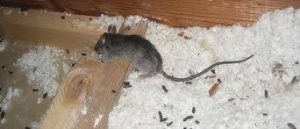

 chose to ignore it for a while. After recognizing this several times, you decide to go check out the situation to find that not only is there a
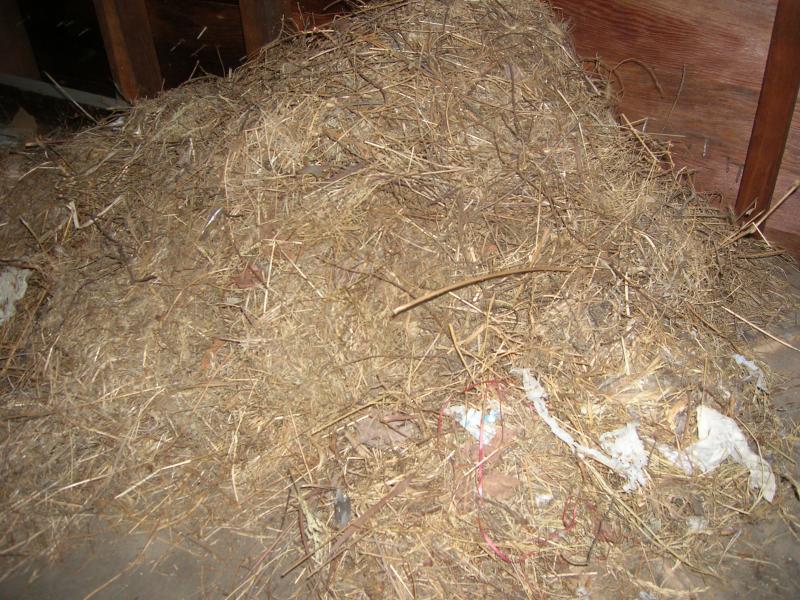
 little strange… What happened to these walls?

